


What is Lead Time? Why It's Your Most Important Metric
What is Lead Time and Why is it Important for Manufacturing?
Lead time refers to the total amount of time required to complete a process from start to finish — from receiving a customer order to delivering the final product. It includes raw material preparation, production, quality inspection, and logistics. A shorter lead time means faster workflows and the ability to respond quickly to customer demands.
Efficient lead time management helps reduce inventory costs, build customer trust, and improve competitiveness. For example, a manufacturer may manage a 15–30 day cycle covering order placement, raw material procurement, production, quality inspection, and delivery.
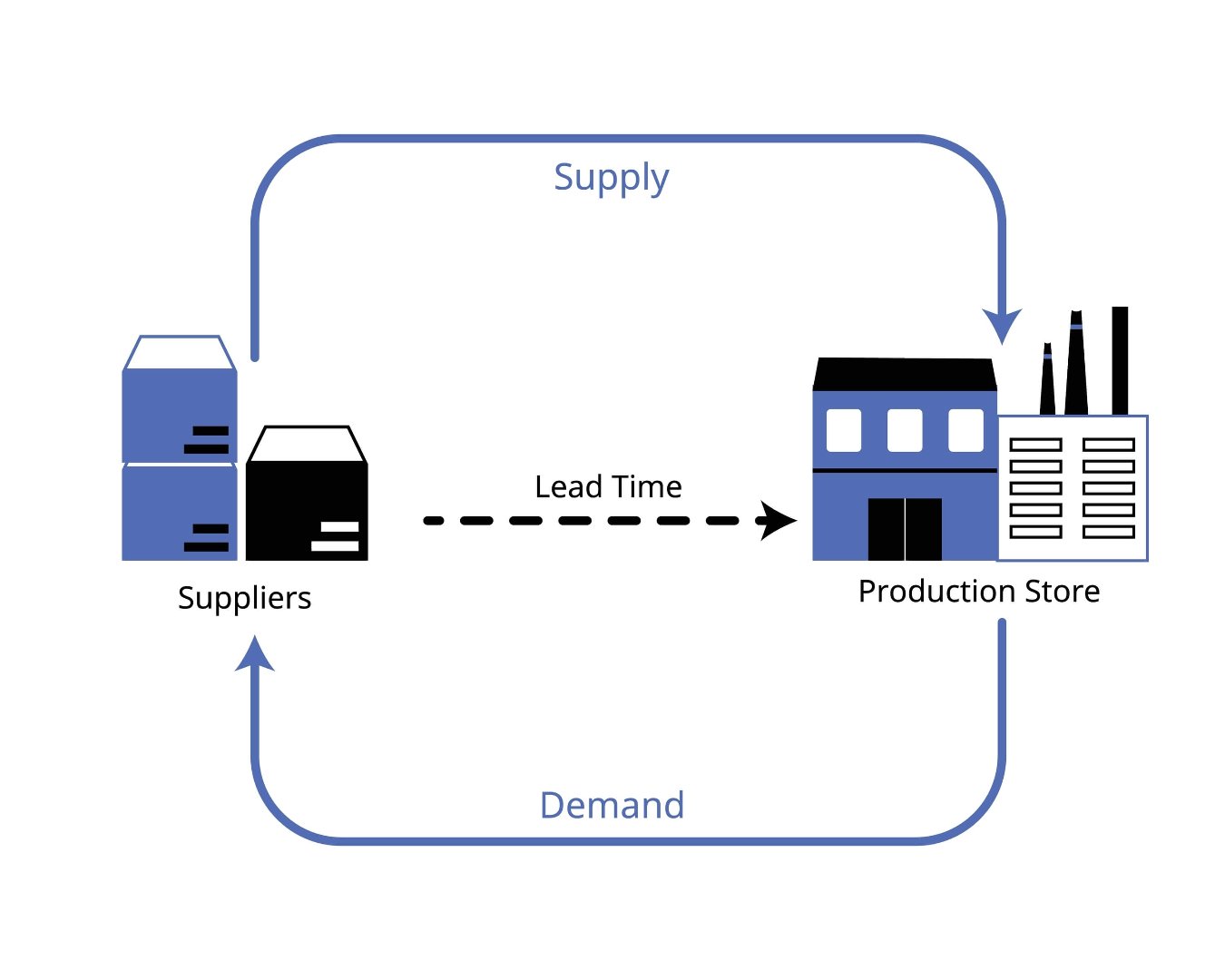
6 Components of Lead Time in Manufacturing
Understanding the elements of lead time allows organizations to systematically analyze and optimize each step using a Manufacturing Execution System (MES).
-
Preprocessing Time – Preparation time before production starts. MES helps reduce planning time, schedule machines, and track raw material status in real time.
-
Processing Time – The actual production time. MES improves machine efficiency, shortens lead time, increases output, and lowers costs.
-
Waiting Time – Queue time before moving to the next stage, often caused by capacity imbalance, material shortage, or pending inspections. MES scheduling and tracking can minimize delays.
-
Storage Time – Time products spend in warehouses before shipping. Lead time can be managed with monitoring technology or a Warehouse Management System (WMS).
-
Transportation Time – The time taken to move goods from the factory to the customer. Effective lead time management at this stage enhances customer satisfaction.
-
Inspection Time – Time required for product quality checks. MES digitizes inspection records and enables real-time monitoring at every stage.
Consult our MES experts today: https://aresth.co.th/contactus

5 Tips to Reduce Lead Time with MES
-
Optimize Manufacturing Processes
From factory layout design to data analysis, MES helps identify bottlenecks, streamline workflows, and provide accurate solutions for faster decision-making. -
Eliminate Redundant Steps
MES integrates workflows to remove unnecessary activities and reduce the 8 wastes of Lean Management such as waiting, overproduction, excess transportation, and unnecessary motion. -
Integrate Smart Technologies
Connecting MES with IoT (Internet of Things), AI (Artificial Intelligence), and Automation reduces labor costs, human errors, and improves quality control — enabling faster, more accurate decisions. -
Improve Supply Chain Management
MES helps manage suppliers and partners to ensure timely and consistent material delivery. This prevents production disruptions and strengthens customer confidence. -
Adopt Preventive Maintenance
MES-connected machine monitoring ensures preventive maintenance, reduces unplanned downtime, and maintains production efficiency.

Learn more about enhancing manufacturing with MES
https://aresth.co.th/products/argo-extra
MES: The Ultimate Solution for Lead Time Management
Choosing MES is an investment in smart factory management. It connects every part of your operations — from production planning, process tracking, quality control, data analytics, to simplified reporting. MES empowers decision-makers with fast, accurate insights for long-term competitiveness.
At ARES, we specialize in MES consulting and implementation. With over 20 years of experience, we help manufacturers increase productivity, optimize operations, and gain a sustainable competitive edge in the global market.

Contact us
For a demo, please contact us at Contact Us or for further inquiries:
Phone: 0633253640 or 02-6863000 ext. 3042
Email: support@aresth.co.th
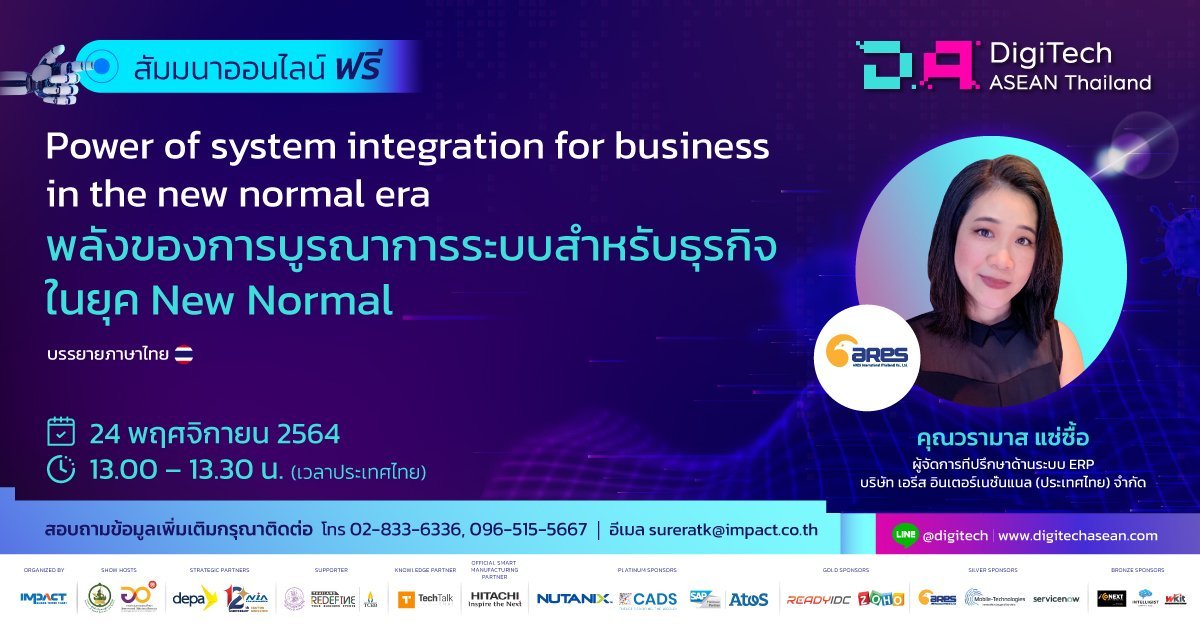
Digitech 2021 Webinar
You are invited to our Webinar, it's FREE !! at Digitech Asean Thailand on 24 NOVEMBER 2021! "Power of system integration for business in the New Normal Era". Conduct by the expert in ERP system, experience more than 7 years. Sharing techniques to use or functions that sometimes users tend to miss and the benefits of connecting various systems.

5 Tips for Utilizing Modern Technology in Production Planning and Enhancing Operational Efficiency
Production planning is a critical process that business operators must carefully consider in order to organize and enhance the production of goods in the factory, ensuring it operates as efficiently and effectively as possible.
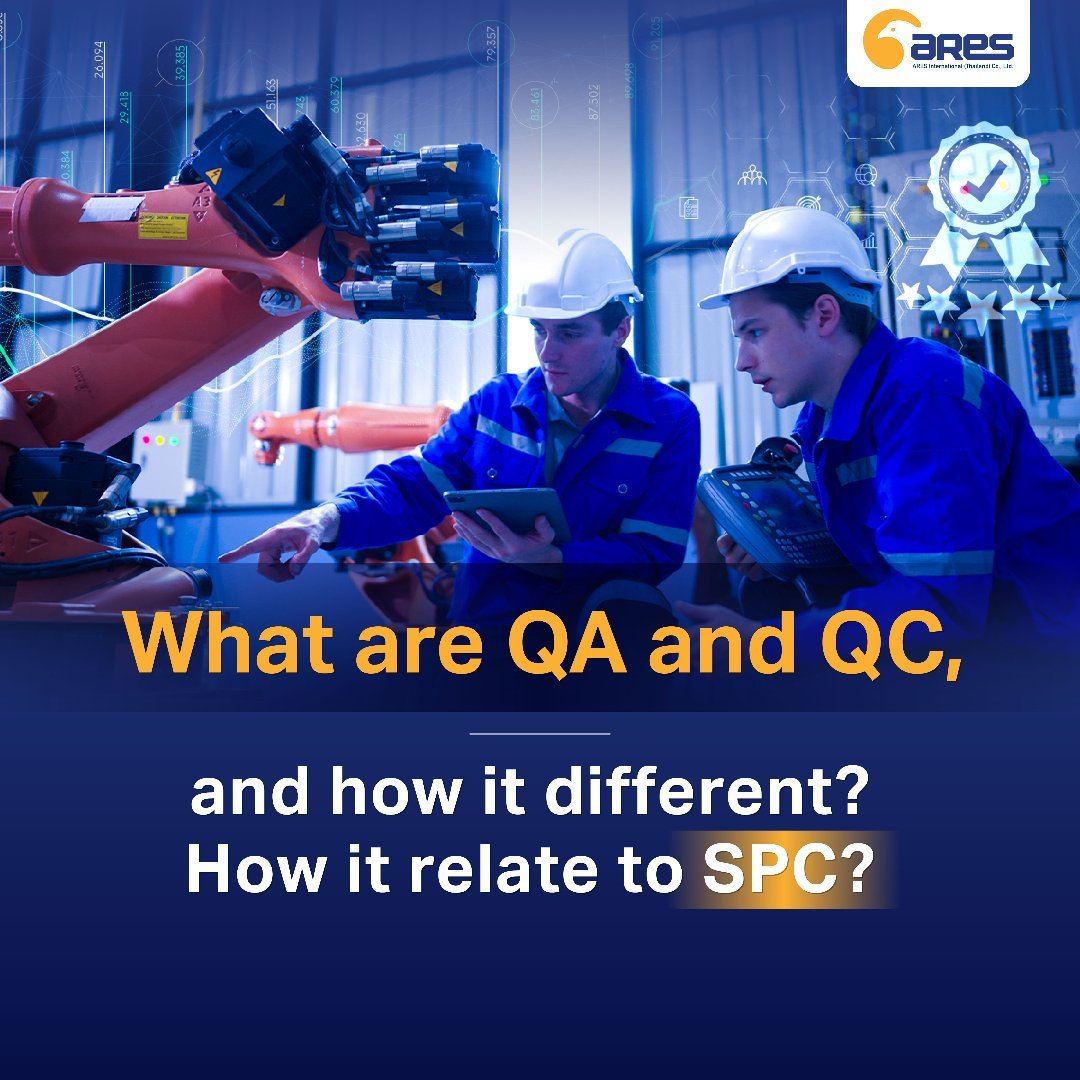
What are QA and QC, and how it different? How it relate to SPC?
QA (Quality Assurance), QC (Quality Control), and SPC (Statistical Process Control) are three terms often mentioned together in product quality control processes. While they are related, each has distinct functions and roles.