


Reduce Carbon Footprint Effectively
with MES Systems to Achieve Decarbonization
The carbon footprint remains one of the most significant challenges that many nations worldwide must urgently address. Tackling this issue requires not only implementing strategies and legal measures to support carbon reduction (decarbonization) but also fostering awareness and responsibility across all sectors. This is especially critical in the industrial sector, which is a major contributor to pollution. As such, controlling and reducing greenhouse gas emissions in industries should be a priority for entrepreneurs aiming to ensure sustainable business practices.
Thailand has enacted laws and policies to support decarbonization, focusing on three primary objectives: reducing greenhouse gas emissions, achieving carbon neutrality, and attaining net zero emissions.
The Manufacturing Execution System (MES) plays a pivotal role in driving effective carbon reduction. It enables businesses to efficiently manage resources in industrial manufacturing while minimizing carbon emissions into the environment. Furthermore, MES contributes significantly to fostering sustainability in industries, a key factor in maintaining competitiveness in today’s business landscape.

Understanding Decarbonization
Decarbonization refers to the process of reducing carbon dioxide emissions caused by burning fossil fuels such as coal, oil, and natural gas. These emissions result in significant air pollution and impact various sectors. By integrating modern technologies, particularly automation, decarbonization enhances production processes and transitions industrial facilities toward becoming smart industries.
The ultimate goal of decarbonization is to achieve net zero greenhouse gas emissions. This involves applying innovations and technologies to mitigate climate change effects and prevent global temperatures from rising beyond 1.5°C above pre-industrial levels.
Importance of Reducing Carbon Footprint
The carbon footprint represents the total amount of greenhouse gases emitted due to human activities, including daily life, transportation, and, predominantly, industrial production. Industrial activities, sustained over decades, have significantly impacted the environment directly and indirectly. Today, tools and software are available to measure these emissions accurately.
Reducing the carbon footprint, or decarbonization, has become a critical process for entrepreneurs to adopt. It addresses issues arising from global warming, including climate change, natural disasters, health impacts, and economic instability. Additionally, it provides businesses with a sustainable competitive edge.
Using MES Systems for Decarbonization
MES system serves as a critical tool in the decarbonization process by efficiently managing and monitoring manufacturing operations. It focuses on energy optimization, leading to reduced greenhouse gas emissions in industrial processes. Key functionalities include:
-
Real-time Energy Monitoring: Tracks energy use across production stages and provides recommendations to improve efficiency, allowing decision-makers to act promptly and appropriately.
-
Greenhouse Gas Reporting: MES systems analyze and highlight areas of high energy consumption, helping businesses identify opportunities for improvement.
-
Machine Analysis: MES tools monitor machinery performance, detect excessive energy usage, predict potential issues, and extend equipment lifespan, ultimately lowering energy consumption.
-
Raw Material Efficiency Assessment: Reduces waste generation during production and minimizes the use of resources like water, raw materials, and packaging through precise production planning.

Benefits of Reducing Carbon Footprint with MES
Adopting MES systems for effective decarbonization offers benefits across various areas:
-
Environmental Impact: MES enables manufacturers to optimize energy use, significantly reducing greenhouse gas emissions, mitigating climate change, and slowing global warming.
-
Organizational Advantages: Improved energy efficiency lowers production costs. It enhances corporate reputation for environmental stewardship and provides a competitive advantage in today’s markets.
-
Social Benefits: Effective decarbonization processes elevate community quality of life by improving environmental conditions, promoting healthier living, and encouraging collective responsibility toward sustainability.
-
Environmental Sustainability: MES fosters eco-friendly production by reducing energy waste and pollution, ensuring cleaner air, water, and soil for a balanced ecosystem.

Conclusion: MES Applications in Industrial Decarbonization
Implementing MES systems in industrial manufacturing not only enhances operational efficiency but also supports global efforts in decarbonization. As an effective management tool, MES enables real-time data collection and process control, facilitating environmentally friendly production.
At ARES, we specialize in providing comprehensive software solutions, including Argo ERP and Argo MES. Our services include consultation, installation, and customization to meet the needs of large-scale industrial operations. We are committed to empowering your business with sustainable practices while driving growth and environmental responsibility.

Contact us
For a demo, please contact us at Contact Us or for further inquiries:
Phone: 0633253640 or 02-6863000 ext. 3042
Email: support@aresth.co.th

Mira and Subcon EEC 2023
Ares International (Thailand) Company participated in the exhibition at Mira Subcon EEC 2023, held at the Nongnooch International Convention and Exhibition Center Pattaya.

5 Points for ERP Systems to Enhance Business Profitability
ERP is management software that consolidates the daily operational activities of each department into a centralized organizational database, encompassing areas such as finance, procurement, production, projects, human resources, and other activities. The ERP system provides real-time and accurate data, enabling business operators to make well-informed decisions based on aggregated transactional data from various departments within the company. Additionally, it eliminates redundant data and ensures the completeness and efficiency of the information.
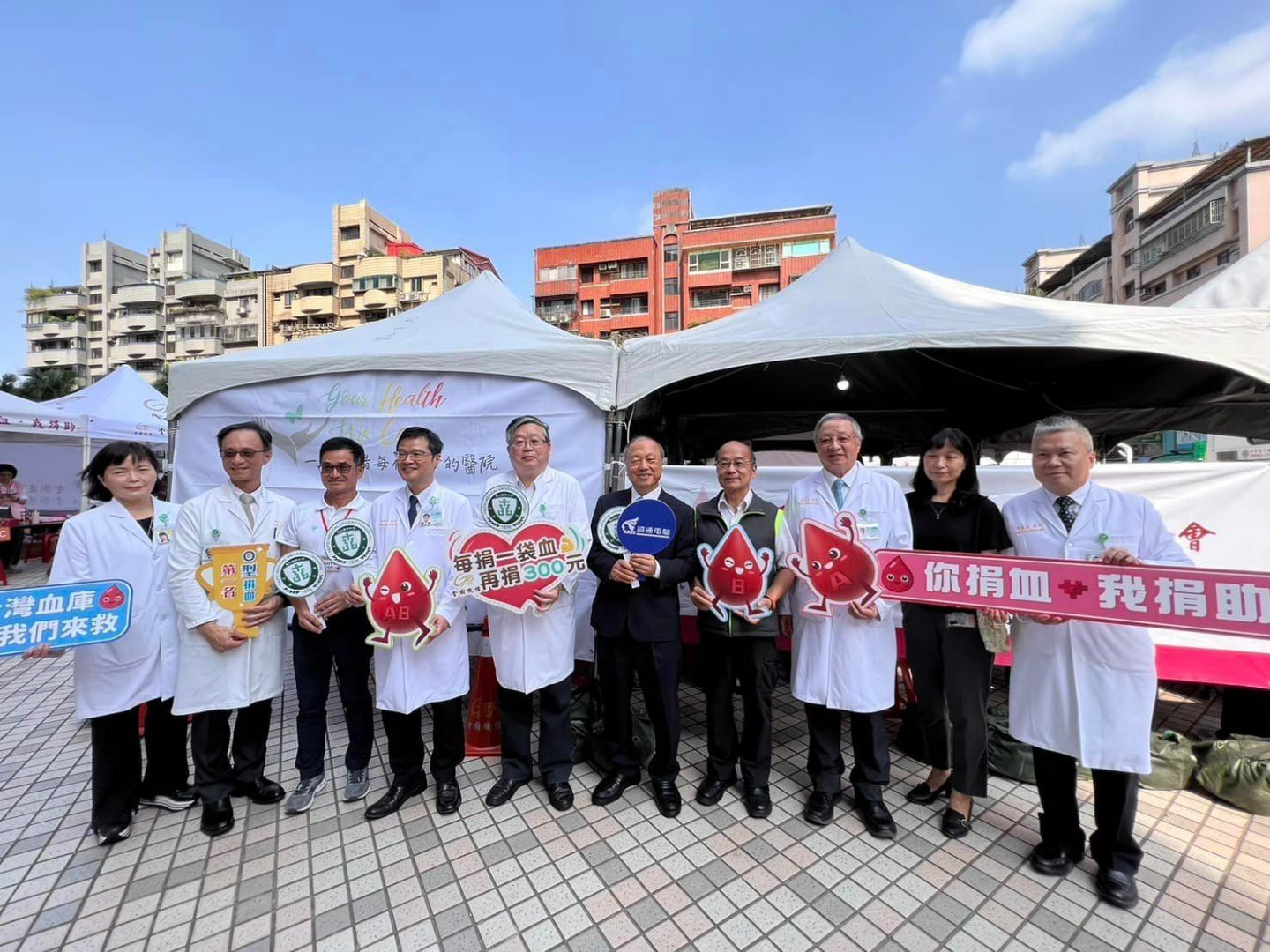
ARES Taiwan Blood Donation
ARES Taiwan Blood Donation