


What is ESG? A Comprehensive Guide for Modern Entrepreneurs
The business world is undergoing rapid change, and environmental sustainability has become a key of business success. Consumers, investors, and society now expect organizations to demonstrate responsibility in Environment (E), Social (S), and Governance (G), collectively known as ESG. ESG represents a framework for driving organizational progress and achieving sustainable growth.
This article aims to help you understand the definition, significance, and application of ESG principles to build a sustainable business in an ever-changing world.

What is ESG? Why is it important?
ESG stands for Environmental, Social, and Governance. It is an approach to organizational development that extends beyond profit-making, emphasizing accountability in areas such as environmental impact, community and employee welfare, and transparent, sustainable business management practices.
The adoption of ESG in business operations is not merely a response to societal pressures. It also provides a significant competitive advantage, particularly in enhancing an organization’s image, which increases trust among sustainability-conscious customers and investors.
ESG principles can be divided into 3 key components:
E - Environmental
The Environmental aspect focuses on managing business operations to promote the sustainability of natural resources and minimize environmental impacts. This includes developing eco-friendly products, reducing carbon emissions, efficiently utilizing water and energy resources, and implementing systematic waste management.
S - Social
The Social aspect emphasizes taking care of employees, communities, and stakeholders across all dimensions of business operations. It involves fostering diversity, ensuring equitable treatment, providing sufficient welfare, offering skills development training, and supporting community development initiatives such as social welfare programs or local economic improvement projects.
G - Governance
The Governance aspect focuses on transparent organizational management with accountability toward stakeholders. It includes internal organizational governance, establishing auditable systems, financial policy formulation, and the creation of oversight committees to prevent corruption and protect the organization’s reputation.

Understanding ESG Risks
ESG Risk refers to challenges arising from the three ESG dimensions that impact business operations. Effective risk management ensures sustained profitability, a positive reputation, and long-term organizational growth.
Key ESG risks include:
- Environmental risks: Climate change, natural disasters, water scarcity, and compliance with environmental regulations.
- Social risks: Labor rights violations, demographic changes, and inadequate employee welfare.
- Governance risks: Lack of transparency, internal corruption, conflicts of interest, and weak oversight.
Current ESG Trends in Business
ESG has become a critical standard for organizations worldwide, integrating sustainability into business strategies. It not only meets consumer and investor expectations but also mitigates environmental impacts and drives sustainable growth, enhancing organizational competitiveness.
Leading companies are adopting clean energy in production processes, reducing reliance on fossil fuels by using solar and wind energy, optimizing waste management, and designing eco-friendly manufacturing processes. These practices have proven instrumental in creating long-lasting value for both businesses and society.

Using MES Systems to Drive ESG
A Manufacturing Execution System (MES) plays a pivotal role in enabling businesses to align with ESG objectives. MES enhances operational efficiency and sustainability across various dimensions:
- Carbon reduction: Monitors and controls energy usage in real-time, optimizing processes to reduce emissions.
- Sustainable waste management: Tracks resource utilization and improves raw material management, reducing unnecessary consumption.
- Workplace safety: Monitors machinery performance, ensuring safety and reducing accidents caused by equipment failure.
- Transparency and accountability: Facilitates data collection for real-time analysis, enabling management to oversee operations efficiently.
The ciMES system, equipped with ESG-compatible modules, calculates key metrics like CO2 emissions and generates graphical reports, empowering businesses to enhance sustainability with actionable insights.
For consultations and ciMES implementation, visit https://aresth.co.th/products/argo-extra

Conclusion: ESG as a Pathway to Sustainable Business Growth
Embracing ESG principles is no longer optional but a necessity for long-term growth. By integrating sustainability into business processes, organizations can reduce environmental impacts, develop communities, and enhance governance transparency.
These efforts lead to many benefits, including increased consumer and investor trust, resource cost reductions, compliance with serious regulations, and broader opportunities for business partnerships.
At ARES, we are your trusted partner in enabling businesses to adopt ESG-driven operations effectively. By our system ciMES and Argo ERP, we can help your organization transition into a sustainable and resilient future.

Contact us
For a demo, please contact us at Contact Us or for further inquiries:
Phone: 0633253640 or 02-6863000 ext. 3042
Email: support@aresth.co.th

Automation Expo 2023
Let's meet ARES in Automation Expo 2023 at NICE Pattaya, Convention & Exhibition Center on 8-10 MARCH 2023 Automation Land Zone , 9 AM. - 4 PM. For more information : 063-325-3640
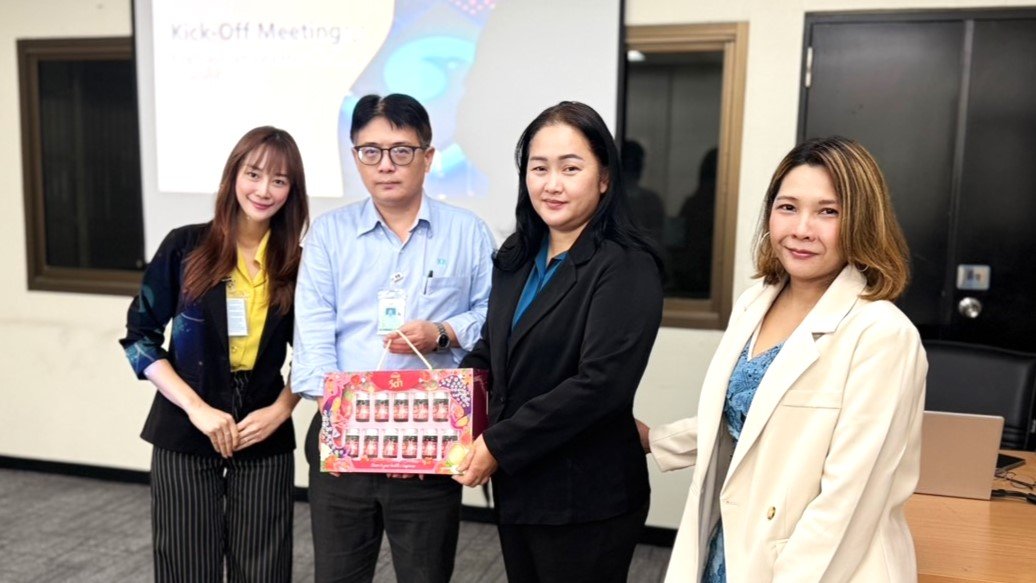
Kick-off of Argo ERP System with Kingboard Laminate Manufacturing (Thailand) Co., Ltd.
ARES is delighted to kick off the Argo ERP implementation project with Kingboard Laminate Manufacturing (Thailand) Co., Ltd., a leading laminate manufacturer in Thailand. Our team visited the site to initiate the requirement analysis phase and closely collaborate with the client’s key users to plan the implementation. The chosen solution, Argo ERP, covers all core business modules to enhance internal management, streamline operations, and boost organizational efficiency.

Unlocking the Strategy: How to Choose the Right ERP Solutions for Your Business
Unveiling Techniques for Choosing ERP Solutions for Your Business — Featuring Real-World Use Cases to Boost Speed, Eliminate Redundancies, and Seamlessly Connect All Departments!